
You ever notice how everyone suddenly wants to shoot on film again? Like film cameras are being pulled out of closets, thrift stores are empty of point-and-shoot cameras, and disposable cameras are now somehow considered aesthetically pleasing. And even though we have iPhones that take pictures so sharp you can practically zoom in and see the pores of a passerby, people are still reverting to a medium that literally requires time, space, patience, and money.
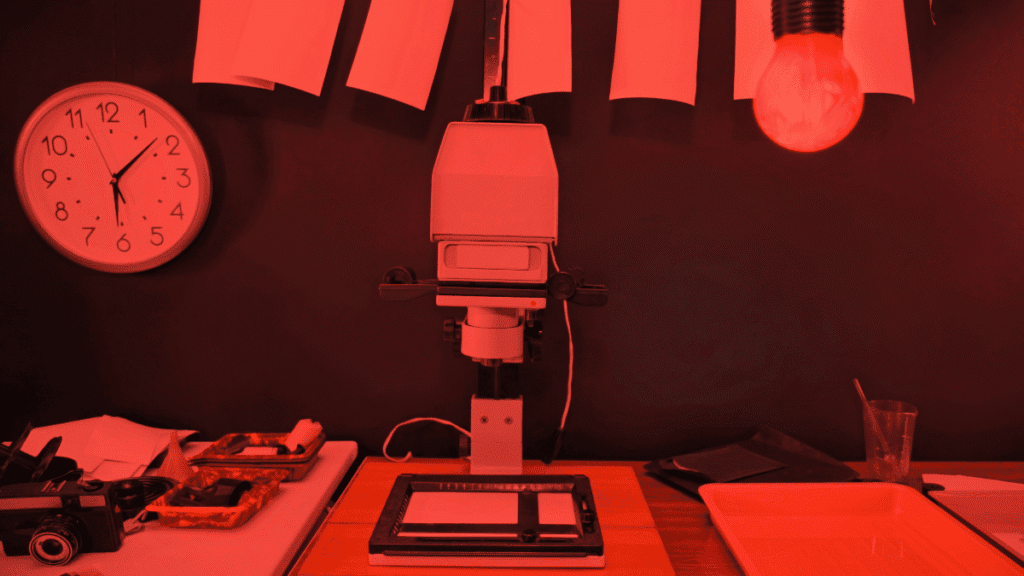
I’ve thought about this a lot, but I think the reason people crave physical art, especially something like film photography, comes down to one thing: it feels human. When I first started working with film, it felt kind of like learning to breathe slower. Digital photography is instant. You snap, check, delete, reshoot, post, and move on. But with film, every click counts. You think before you shoot. You look at light differently. You’re not just capturing something, you’re experiencing it. Then there’s the darkroom. If you’ve ever been in a darkroom, you know what I mean. The quiet. The red glow. The way the chemicals smell (not great, but also not awful?). The way the image slowly appears is like a secret revealing itself. It’s slow magic. It feels personal. It feels like the photo belongs to you in a way that digital never quite does.
This actually ties into something art therapy quite a bit. Creating art activates parts of the brain that help with emotional release, reducing stress, and making sense of things we don’t always have the perfect words for. Physical art especially forces you to be present. You can’t rush it. You can’t skip steps. You have to be there with it. Film photography is basically built-in mindfulness.
When you’re shooting film, you’re more aware of:
- The moment you’re in
- The person or object you’re photographing
- Your own thoughts
- Your surroundings
It becomes less about getting the perfect shot and more about being there. And in a world where everything is fast, loud, and constantly updating, being present feels kind of rare. Digital art and photography are great, I use them all the time. I’ve edited entire projects on my laptop, and I love how convenient it is. But sometimes it’s too convenient. You can always fix things later. You can always undo, adjust, manipulate, and redo. It becomes less about expression and more about control. Physical art doesn’t let you control everything. And I think that’s the point.
Working with your hands, whether that’s mixing developer chemicals, painting on canvas, carving wood, needle felting, or bookbinding, forces you to move more slowly. And when you move more slowly, feelings and thoughts have space to show up. Things you didn’t realize were bothering you come up in the silence. And instead of pushing them away, you sort of work them out through the art itself. That’s literally the core of art therapy, which is
Taking what you feel, giving it physical form, and understanding yourself through what you made.
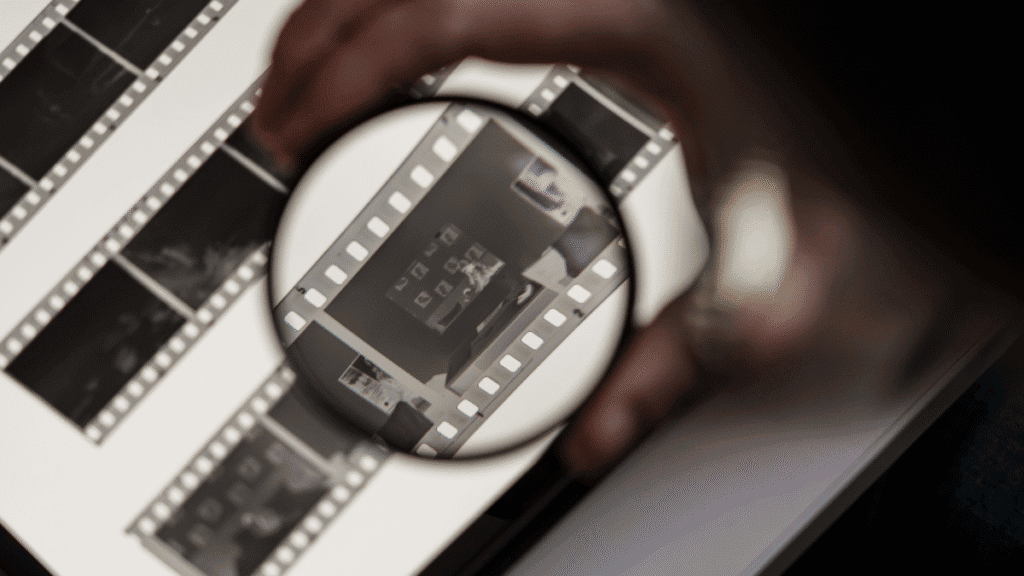
Another thing is that physical art has imperfections, and imperfections feel real. Film photos can come out grainy, underexposed, a little blurry, or with weird lighting but those things end up making the image feel alive. Digital images are clean, polished, and sometimes too perfect. They start to lose personality. When you make something by hand, you leave bits of yourself in it: Your decisions, your mood, your mistakes, your touch.
Maybe that’s what people are really craving: to see themselves in the things they create. We live in a time where we’re constantly producing things to be seen and judged online. But physical art? It feels like a conversation just between you and the work. A private moment. A memory held in your hands. So yeah, people still crave physical art and not because digital is bad, but because physical art reminds us that we are human, and humans are messy, emotional, imperfect, and real. Film photography just happens to be one of the clearest examples of that. And maybe that’s why even after all the convenience digital gives us, the darkroom still calls.