Comedy, Censorship, and Cash: The Riyadh Festival’s Hypocrisy Problem
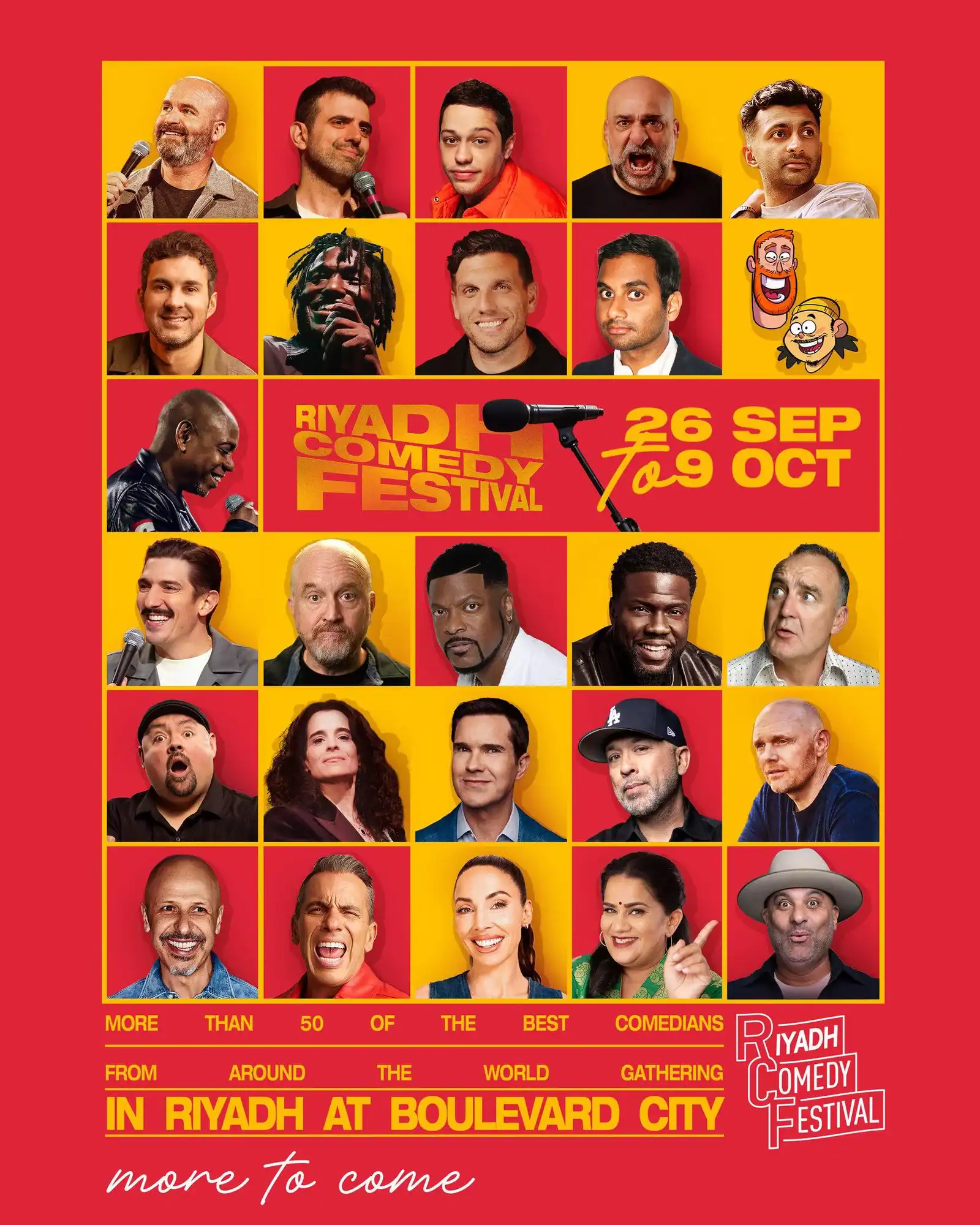
When the Riyadh Comedy Festival lineup dropped, it wasn’t the jokes that got people talking; it was who agreed to show up. Twenty-six comedians, many of them known for defending free speech and pushing boundaries, signed on to perform in one of the most heavily censored countries in the world.
On paper, the idea sounded kind of amazing: a global comedy event in Saudi Arabia, where people are finally getting a chance to experience stand-up live. But almost immediately, the festival turned into a lightning rod for criticism. Fans accused the comedians of selling out their values; performing in a country that decides what they can and can’t say; and that has a pretty dark record when it comes to human rights.
Free Speech for Sale?
Here’s the hypocrisy people keep pointing out: these are comedians who’ve built their brands on “you can’t cancel me” energy. They talk about how important it is to speak freely, to say the unsayable, to offend when necessary. But then they take a huge paycheck from a government that literally censors jokes.
In Riyadh, comedians reportedly had to submit their sets ahead of time to get approval. Anything touching on religion, politics, or sexuality was off-limits. So much for ‘no topic is sacred.’
The Ugly Part
The outrage didn’t come out of nowhere. Saudi Arabia’s global reputation still carries heavy baggage: alleged support for extremist groups connected to 9/11, the 2018 murder of journalist Jamal Khashoggi, and ongoing reports of human rights abuses.
For a lot of people, that history makes it impossible to see this festival as harmless entertainment. They see it as a PR move; a chance for Saudi Arabia to polish its image with the help of famous comedians who are too busy counting their checks to notice who’s signing them.
“We Just Want to Make People Laugh”
Of course, not every comedian agreed with the outrage. Some comedians said their intentions were simple: make people laugh and get paid doing it. Other comedians argued that the Saudi government isn’t the Saudi people, and that everyday citizens deserve joy and comedy just like anyone else.
It’s an interesting point; and probably a sincere one; but it still leaves a bad taste. Because at the end of the day, performing in Riyadh isn’t some underground act of rebellion. It’s a government-approved event, paid for by the same regime that decides who gets to joke and who doesn’t based on what they are going to joke about.
“We’re All Hypocrites” – Andrew Santino
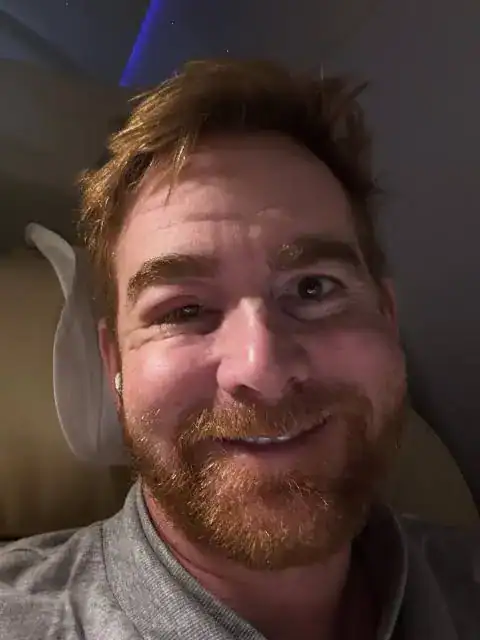
Comedian Andrew Santino had a pretty blunt take. He basically said being a hypocrite is part of being human. He compared it to how people criticize sweatshops but still buy iPhones because they’re convenient.
And sure; he’s not wrong that everyone compromises somewhere. But a lot of fans pushed back on that logic. Buying a phone from a company with shady supply chains isn’t quite the same as taking a six-figure paycheck from a government with a record of violence and censorship. The stakes are different.
Shane Gillis: The One Who Said No
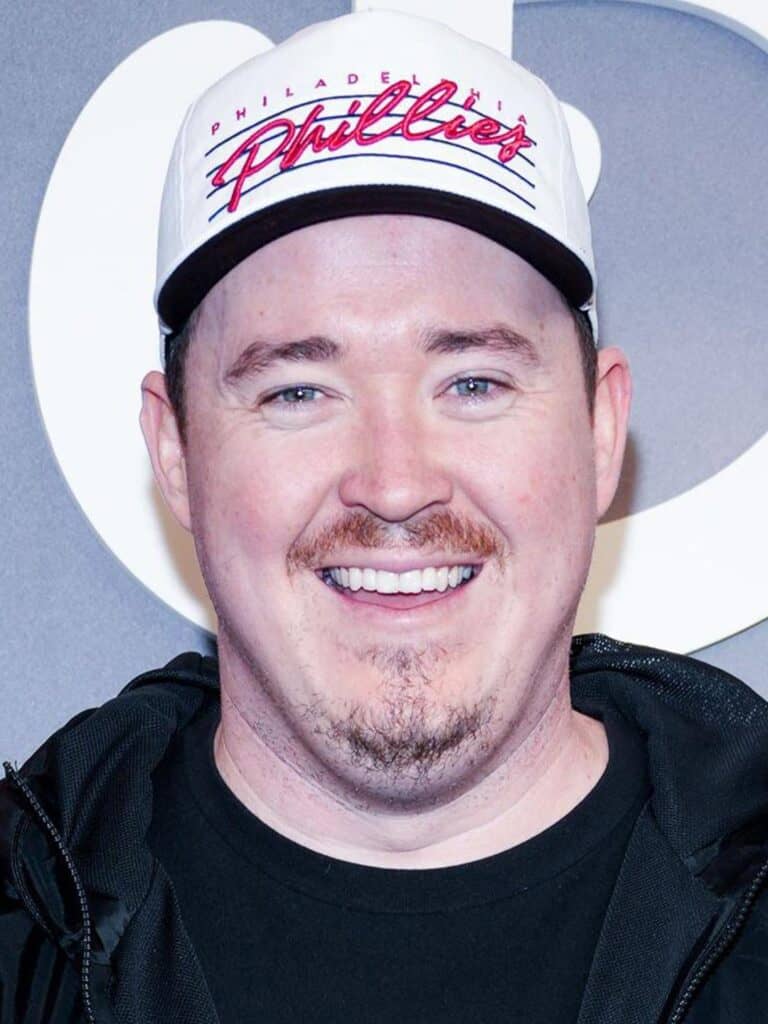
Then there’s Shane Gillis, who earned a lot of respect for reportedly turning down the festival. He said he couldn’t accept the invite because of Saudi Arabia’s human rights record and ties to 9/11. On his podcast, he summed it up perfectly, when he said, “You don’t 9/11 your friends.”
It was classic Gillis humor; rough around the edges but dead honest. And it hit a nerve. Fans saw it as proof that someone was finally putting values over money.
The Line Between Art and Ethics
So who’s right here? Are the comedians who performed in Riyadh terrible people? Probably not. Are they hypocrites? Maybe. But that’s kind of the whole point of the debate; how far can you bend your principles before they break?
Comedy has always been about truth-telling. The best comics are the ones who call out hypocrisy wherever they see it, including in themselves. But when the same people who joke about freedom and justice are cashing checks from a government that denies both, the punchlines start to sound hollow.
Final Thought
Maybe the bigger story here isn’t even about comedy; it’s about how easily money can blur our morals. The comedians got what they wanted: laughs, exposure, and a fat paycheck. The Saudi government got what it wanted too: good PR and the appearance of progress.
But for everyone watching, it left a lingering question: ‘Can comedy still be about truth if the truth is off-limits?’
What Do You Think?
Do you think the comedians were wrong for taking the gig, or is it unfair to expect artists to fix global politics? Drop your thoughts below or share this post with the hashtag #RiyadhComedyDebate.